
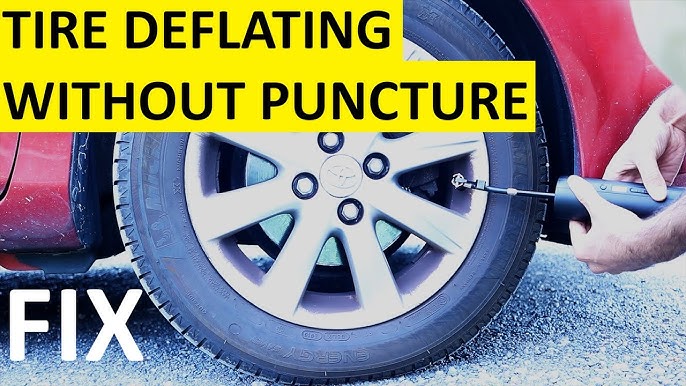
It’s a Monday morning and you’re about to head to an important meeting, only to find your tire flat with no puncture in sight. This perplexing scenario is more common than you might think. Understanding the underlying reasons can not only save time but also prevent future occurrences.
One significant reason could be the tire’s valve stem, which, if damaged or corroded, can cause air leaks. Alternatively, a poor seal between the tire and the rim might be the culprit, especially in cold weather conditions where metal contraction occurs. According to recent studies, over 15% of flat tires without visible punctures are due to these issues, emphasizing the need for regular maintenance.

Why is my tire flat but no puncture?
Finding your tire flat without a visible puncture can be puzzling. One common reason for this issue is a damaged valve stem that can slowly leak air. Corrosion or even just regular wear and tear can cause the valve stem to fail. It’s worth inspecting this tiny but crucial part of your tire system frequently. Regular checks can save you from unexpected flat tires.
Another major cause could be a poor seal between the tire and the rim. Over time, dirt and debris can accumulate, weakening this seal and allowing air to escape. This is especially true if your vehicle is often used on rough terrain. Keeping the area clean can help maintain a good seal. A professional inspection can also pinpoint if this is the issue.
Temperature changes have a noticeable impact on tire pressure. As temperatures drop, the air inside the tire contracts, leading to a decrease in pressure. This is why flat tires are more common in winter. Properly inflating your tires as seasons change can mitigate this problem. Manufacturers’ guidelines on tire pressure are essential to follow.
An unnoticed slow leak from tiny punctures could also be the reason. These tiny holes might go undetected during a cursory check but can cause gradual air loss. Using a soapy water solution can reveal small leaks as it produces bubbles at the leak spot. Regular professional check-ups can easily identify and fix these slow leaks, ensuring a smoother ride.
Understanding the Mystery Behind Non-Punctured Flat Tires
Non-punctured flat tires can be quite puzzling. Often, the answer lies in the integrity of the valve stem. If it’s damaged or corroded, air will slowly seep out. Regular checks can prevent this from becoming a bigger problem. Make sure to replace faulty valve stems promptly.
Another factor is the seal between the tire and the rim. If this seal is compromised, air can escape even without a visible puncture. Dirt and grime can accumulate over time, breaking down the seal. Cleaning the tire rim area frequently can help maintain a proper seal. Regular maintenance by a professional is also beneficial.
Tire pressure is directly influenced by temperature fluctuations. In colder conditions, the air inside your tires contracts, causing a drop in pressure. This can lead to what seems like a flat tire. Checking your tire pressure as the seasons change can prevent this issue. Always follow the manufacturer’s recommended tire pressure levels.
Lastly, slow leaks from tiny, often invisible punctures can cause flat tires over time. These can be challenging to detect with the naked eye. A simple method to find these is to use soapy water around the tire. If bubbles form, you’ve found a leak. Professional inspections can accurately locate and fix these pesky leaks.
Common causes of air leaks without visible punctures
Air leaks in tires without visible punctures often stem from a few main culprits. One of these is the valve stem, which, if cracked or corroded, can cause slow air loss. This damage might not be obvious at first glance. Regular inspection can catch early signs of valve stem issues. Ensuring they are tightly capped helps prevent leaks as well.
The bead, where the tire meets the rim, is another common source of leaks. Dirt, grime, and rust can build up, breaking the air-tight seal over time. This is especially true for older tires. Regular cleaning and inspections help maintain a good seal. If a leak is suspected, a water test around the bead can reveal escaping air.
Temperature fluctuations also play a big role. Cold weather can cause the air in your tires to contract, lowering the pressure and causing what appears to be a flat tire. This can be puzzling since there’s no visible damage. Checking tire pressure regularly, especially during season changes, can mitigate this issue. Proper inflation according to manufacturer guidelines is crucial.
Age-related wear and tear can also lead to undetectable air leaks. Over time, tire materials can degrade, leading to tiny cracks and slow leaks. This can occur even if the tread appears fine. Keeping an eye on the tire’s age and replacing it when necessary can prevent these unseen leaks. Regular professional checks are highly recommended for older tires.
The role of valve stem issues in flat tires
Valve stems play a critical role in maintaining tire pressure. If they are damaged, even slightly, they can cause air to escape slowly. This results in a flat tire over time, even though there might be no visible puncture. Regularly checking the valve stems can prevent this issue. It’s a small part but can cause significant problems if neglected.
Corrosion is another factor that affects valve stems. Over time, exposure to different elements can corrode the valve stem, leading to leaks. This is especially common in older vehicles. Replacing corroded valve stems is a straightforward fix. It’s essential to use high-quality valve stems to ensure longevity.
Improper installation of valve stems can also cause flat tires. If a valve stem is not correctly installed, it won’t provide an airtight seal. This can cause the tire to lose pressure gradually. Ensuring that valve stems are installed by professionals is crucial. Double-checking the seal after installation can prevent future issues.
A broken or cracked valve stem is another common issue. Physical damage to the valve stem can occur during tire changes or due to debris on the road. Inspecting the stem after any incident can catch this problem early. Simple visual checks can often reveal cracks or damage that might not be obvious.
Temperature fluctuations can also impact valve stems. In cold weather, rubber components like valve stems can become brittle and crack. This leads to slow leaks over time. Keeping an eye on tire pressure during extreme temperature changes is advisable. Using valve stem caps helps protect them from the elements.
Impact of temperature changes on tire pressure
Temperature changes significantly affect tire pressure. When temperatures drop, the air inside the tire contracts, causing the pressure to decrease. This can lead to underinflated tires, which can be dangerous. Regularly checking tire pressure in cold weather is essential. Following the manufacturer’s recommended tire pressure can help maintain safety.
Conversely, hot weather can cause the air inside the tires to expand. This increase in pressure can lead to overinflated tires, which affects handling and can cause blowouts. It’s important to monitor tire pressure during heatwaves. Adjusting pressure according to temperature fluctuations ensures optimal performance. Keeping a tire pressure gauge handy is a good idea.
Seasonal changes require more frequent tire pressure checks. Many drivers forget to adjust their tire pressure, leading to uneven wear and reduced fuel efficiency. Tires should be checked at least once a month and before long trips. Using a reliable tire pressure gauge ensures accurate readings. This small step can extend tire life and save money.
Temperature impacts tire pressure more than most people realize. For every 10 degrees Fahrenheit change, tire pressure changes by about 1-2 PSI (pounds per square inch). This means that a significant temperature swing can drastically alter your tire pressure. Being aware of this can prevent many tire-related issues. It’s a simple yet effective maintenance task.
Driving habits also influence how temperature affects tires. Rapid acceleration, hard braking, and high speeds can cause tires to heat up quickly. This added heat can exacerbate pressure changes caused by temperature fluctuations. Maintaining a steady driving style can help manage tire temperature. Overall, combining good driving habits with regular pressure checks is the best approach.
Preventive measures to maintain optimal tire health
Maintaining optimal tire health is crucial for safety and efficiency. One of the easiest preventive measures is regular tire pressure checks. This helps ensure that tires are neither overinflated nor underinflated. Both conditions can lead to uneven wear and potential blowouts. Using a tire pressure gauge monthly is a good practice.
Another key measure is consistent tire rotation. Rotating tires every 6,000 to 8,000 miles promotes even wear. This extends the life of the tires and improves vehicle handling. It’s an easy task often overlooked but essential. Your vehicle’s manual will provide specific rotation patterns.
Checking tread depth is also vital for optimal tire health. Worn-out treads reduce traction and increase the risk of hydroplaning. Using a penny to test tread depth is a simple method. Insert the penny into the tread with Lincoln’s head down; if you can see all of Lincoln’s head, it’s time for new tires. Investing in quality tires can improve safety.
Inspecting tires for damage frequently can prevent problems before they occur. Look for cuts, bulges, and foreign objects lodged in the tread. Small issues can escalate if ignored. Dealing with them early can prevent more severe damage. Regular professional inspections are also beneficial.
Proper alignment and balancing of tires are essential preventive measures. Misaligned or unbalanced tires can cause uneven wear and affect vehicle handling. If your car pulls to one side or vibrates at high speeds, it’s time for an alignment check. Keeping tires correctly aligned enhances performance and safety.
Conclusion
Understanding the reasons behind a flat tire without a puncture can help in timely maintenance and prevention. Valve stem issues, temperature changes, and poor seals are common culprits. Regular inspections and appropriate preventive measures are crucial. By being proactive, you can extend tire life and enhance safety.
Professionals should always pay attention to these subtle signs to avoid bigger problems. A consistent maintenance routine helps in spotting issues early. It ensures optimal tire performance. Ultimately, this leads to smoother drives and a safer journey for everyone.
Leave a Reply